

A book on dementia, caring and remembering
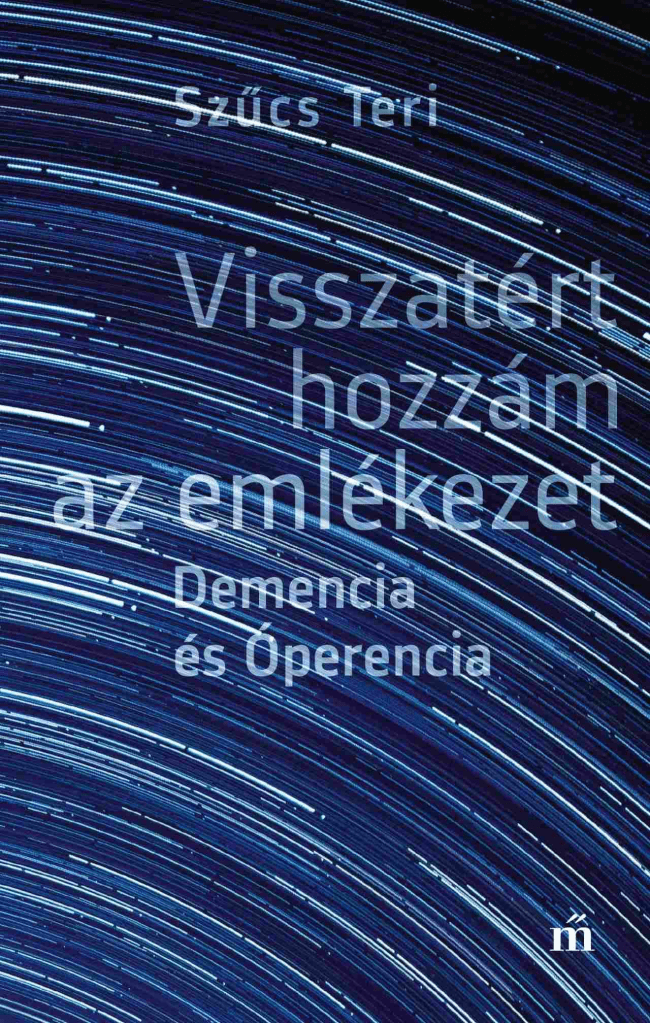
When her mother was diagnosed with dementia, Teri Szűcs started to take notes. She recorded the changes in her mother’s physical and mental state, their conversations, their daily routine, as well as their odyssey in the Hungarian health care system, which is hardly equipped for the growing number of patients suffering from dementia.
Though highly personal in tone, the notes and essays that added up to make this book achieved much more than merely record the hardships involved in a daughter caring for her mother. Teri Szűcs’s book is an important contribution to the growing number of narrations that chronicle the crisis of care in the Western world. It documents the life of those whose work consists of attending to someone else’s basic needs, as well as the inadequacy of a society that does not give them the support they need.
My Memory Came Back to Me is also a book about remembering and forgetting. Together with her mother, Raya, the author reconstructs Raya’s memories: her youth in Leningrad in the 1960s, with its cultural milieu; her historical and transgenerational traumas that are similar to those of millions of Soviet families; marrying a Hungarian man and moving to Budapest with him; and her struggle with multiple identities – Jewish, Soviet and Hungarian.
Raya’s husband and the daughter’s Slovenian partner, Maya, are also important presences in the book, and their role in the mother’s life gives occasion to the author to reflect on gender roles in society. Is caring a ‘feminine’ thing to do? Then what about a husband who is totally ‘masculine’ yet cares beautifully for his wife? Does a woman living in a lesbian relationship become a woman in the eyes of society only when she takes care of her mother?
Although the topics are extremely hard and painful, often even taboo, this is far from being a gloomy book. The author’s empathic and intelligent voice makes My Memory Came Back to Me an uplifting read.
I checked the notes I took during those sleepless nights: I am thinking of those who do this work. Helpers, carers. Mostly women who were raised to care anyway. I note that from a certain point of view, if someone gave me a stern look, they would observe that I don’t do anything. An invisible story: ‘she took care of her mother.’
Rights sold
Polish, Wydawnictwo Dowody
 Magvető Rights
You must be logged in to post a comment.