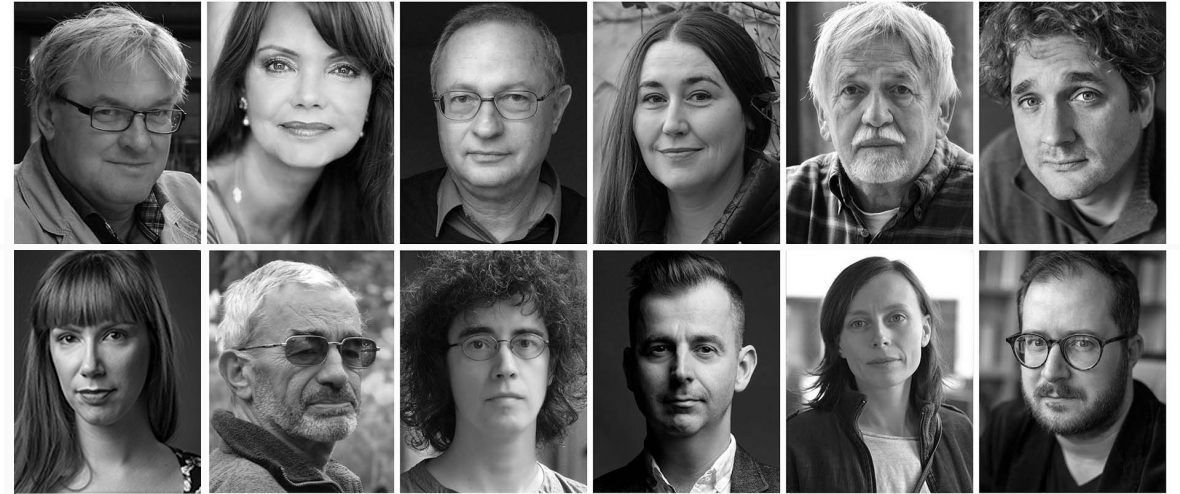


Born in 1967, Krisztina Tóth is one of Hungary’s most highly acclaimed poets and writers. Her books have been translated into many languages. Her works include two novels, numerous collections of poems and short stories and several books for children. Pixel was shortlisted for the EBRD Literature Prize 2020 and the TA First Translation Prize 2020, and Barcode was shortlisted for the 2023 Warwick Prize for Women in Translation and longlisted for the 2024 Republic of Consciousness Prize. Krisztina Tóth’s many awards include the Miklós Radnóti Prize (1990), the Gyula Illyés Prize (1994), the Attila József Prize (2000), the István Vas Prize, the Sándor Márai Prize (2007) and the Artisjus Prize in Literature (2010).
Photo © Kropf Attila, Líra Könyv
Aquarium
Pixel
Barcode
Panther’s Pomp
Torchlight Stories
Cloud Stories
White Wolf
Eye of the Monkey
To Get a Glimpse of Sky
 A factory worker in Debrecen, Tar became well-known in literary circles when he wrote a sociographic study about Hungarian workers in the GDR at the age of 35. He garnered prestigious prizes for his novels and short stories, including the Attila József and the Sándor Márai Prize. In the late 1990s, it was revealed that he had been an informant for the communist secret police from 1976, writing reports on his closest friends, including well-known writers and academics. A perpetrator and a victim, he became an outcast, and died at the age of 64.
 was born in 1974 in Budapest. She teaches music theory and solfeggio. She has been publishing short stories since 2005.
 Born in 1964 in Békéscsaba, László Szilasi is a literary historian, working as associate professor at the University of Szeged. His books include Szentek hárfája (Saints’ Harp, 2010), an ‘intellectual crime story’ that takes place in the 19th century, and Amíg másokkal voltunk (While We Were with Others, 2016), three novellas about three Hungarian writers. His prizes include the Rotary Literary Prize (2010) and the Déry Tibor Prize (2013).
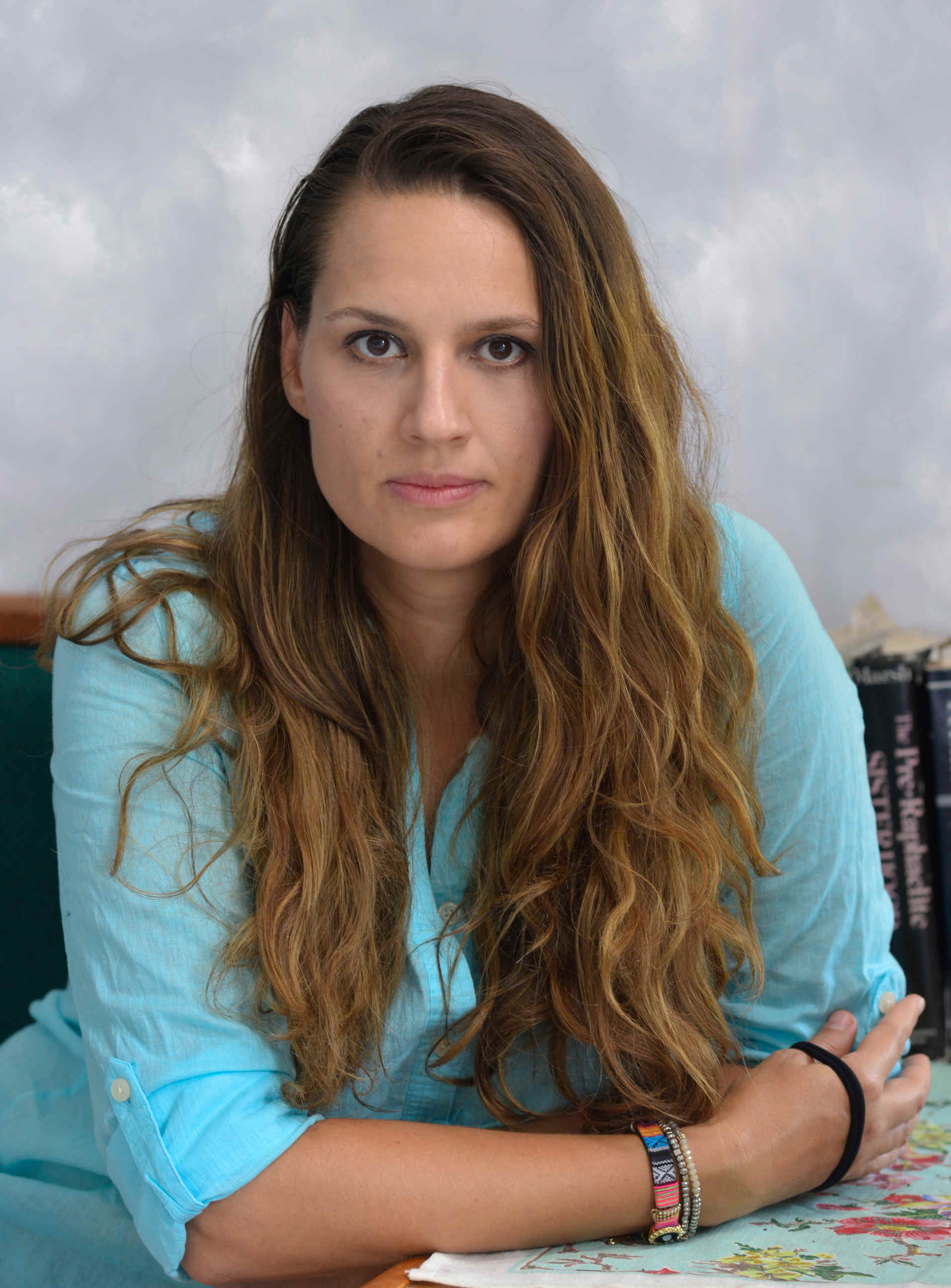 is a versatile author who has published two blog books (a journal of an expectant mother and the ‘memoir of a baby’), a collection of essays, and three nonfiction books about the private life of ladies in fin-de-siècle Budapest, in addition to her novels: Finno-Ugrian Vampire (2002, about a young vampire who does not want to suck blood and has literary ambitions; published also in English, Polish and Italian), Communist Monte Cristo (2006, European Union Prize for Literature, 2009), The Last Centaur (2009, “snapshots of Budapest’s permanent hangover after the change of regime”), The Restless (2011, about 19th century Hungarian exiles and table-turning), 7 Mandrake Street (2012, a children’s book), and Mindreader (2013, a novel about the life of deaf people in the 19th century). Szécsi is a recipient of the European Union Prize for Literature (2009) and the Attila József Prize (2011).

You must be logged in to post a comment.